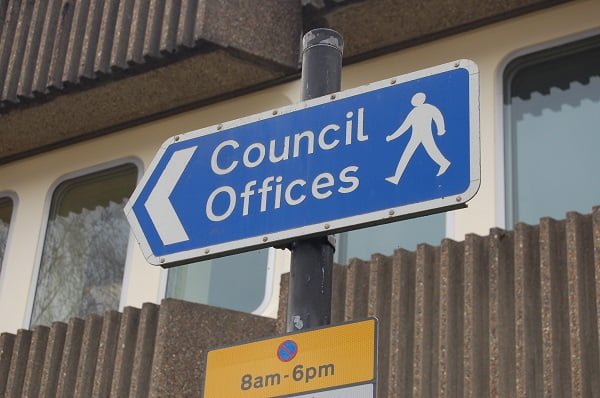
Today, the Local Government Association (LGA) published its submission to the Spending Review, highlighting the dire state of local government in England. Chronic underfunding, rising demand for essential services, economic uncertainty, and post-pandemic impacts on homelessness and children’s social care have left councils struggling to meet community needs. The LGA’s message to the Treasury is clear: invest in councils now or risk long-term damage to public services and local economies. But will the government take action?
The Struggles of Local Government
Local government in England is facing a crisis of unprecedented proportions. Councils are grappling with chronic underfunding, which has been exacerbated by inflation alongside rising demand for essential services such as social care and homelessness support. Economic uncertainty and the lingering effects of the pandemic have only added to the pressure. The LGA’s submission to the Spending Review paints a stark picture of the challenges faced by local authorities:
- Chronic Underfunding: Councils have seen significant cuts to their budgets over the past decade, leaving them with insufficient resources to meet growing demands.
- Rising Demand: The need for essential services, particularly in social care and homelessness, has surged, putting additional strain on already stretched resources.
- Economic Uncertainty: The economic fallout from Brexit and the pandemic has created an uncertain financial environment, making it difficult for councils to plan and invest in long-term projects.
The LGA’s Call to Action
In its submission, the LGA has outlined several key areas where increased investment is crucial:
- Long-Term Financial Stability: Sustainable funding settlements are needed to ensure councils can continue delivering essential services such as waste collection, planning, and public health.
- Public Sector Reform: Local authorities should be at the heart of public sector transformation, delivering better, more cost-effective services.
- Investment in Digital Innovation: Harnessing technology can improve efficiency, make services more accessible, and reduce administrative burdens.
- Adult Social Care Funding: Proper funding for social care would support those in need and relieve pressure on the NHS.
- Driving Local Economic Growth: Councils are vital for economic regeneration, infrastructure development, and transport improvements.
- Accelerating Net Zero Goals: Local authorities are well-placed to lead on green initiatives, from sustainable energy projects to climate adaptation strategies.
- Community Safety and Social Cohesion: Councils play a crucial role in preventing crime, reducing reoffending, and supporting community resilience.
The Big Question: Will the Government Deliver?
The LGA’s submission presents a compelling case for increased investment, but the government faces significant financial challenges:
- Economic Constraints: Public finances are under immense pressure, and any new spending must be carefully justified.
- Competing Priorities: Ministers must balance urgent demands from the NHS, defence, housing, and education.
- Local vs. Central Tensions: The UK remains one of the most centralised countries in Europe, and successive governments have been reluctant to devolve significant fiscal powers to councils.
Balancing Reform with Realism
While the LGA’s proposals are well-founded, the government must make difficult choices. Key considerations include:
- Incremental vs. Radical Change: Will ministers take a cautious approach, offering targeted funding, or commit to a long-term financial overhaul?
- Fiscal Devolution: Are we moving toward a model where councils have more control over taxation and spending, or will Westminster retain the reins?
- Public Expectations: Councils are the frontline of service delivery. Continued underfunding will lead to public dissatisfaction with local services, with political consequences.
What Happens Next?
The LGA has laid out its case, but the response from the Treasury remains to be seen. As we move through the Spending Review process, key questions remain:
- What will the multi-year settlement look like? Will it provide councils with the stability they need?
- What will the devolution agenda bring? Will fiscal devolution be on the table, allowing local authorities to raise and control more of their own funds?
- How will local government funding fit within broader economic and social priorities?
Final Thoughts
The stakes are high. Without investment, councils will continue to struggle to maintain essential services, let alone drive the transformation the government seeks. At the same time, ministers must balance these demands against a backdrop of economic uncertainty and competing priorities.
By Craig Cheney, Managing Partner, Cambridge Management Consulting
For more details, you can read the LGA’s submission here.
 Local Government Thinking
Leave a comment